
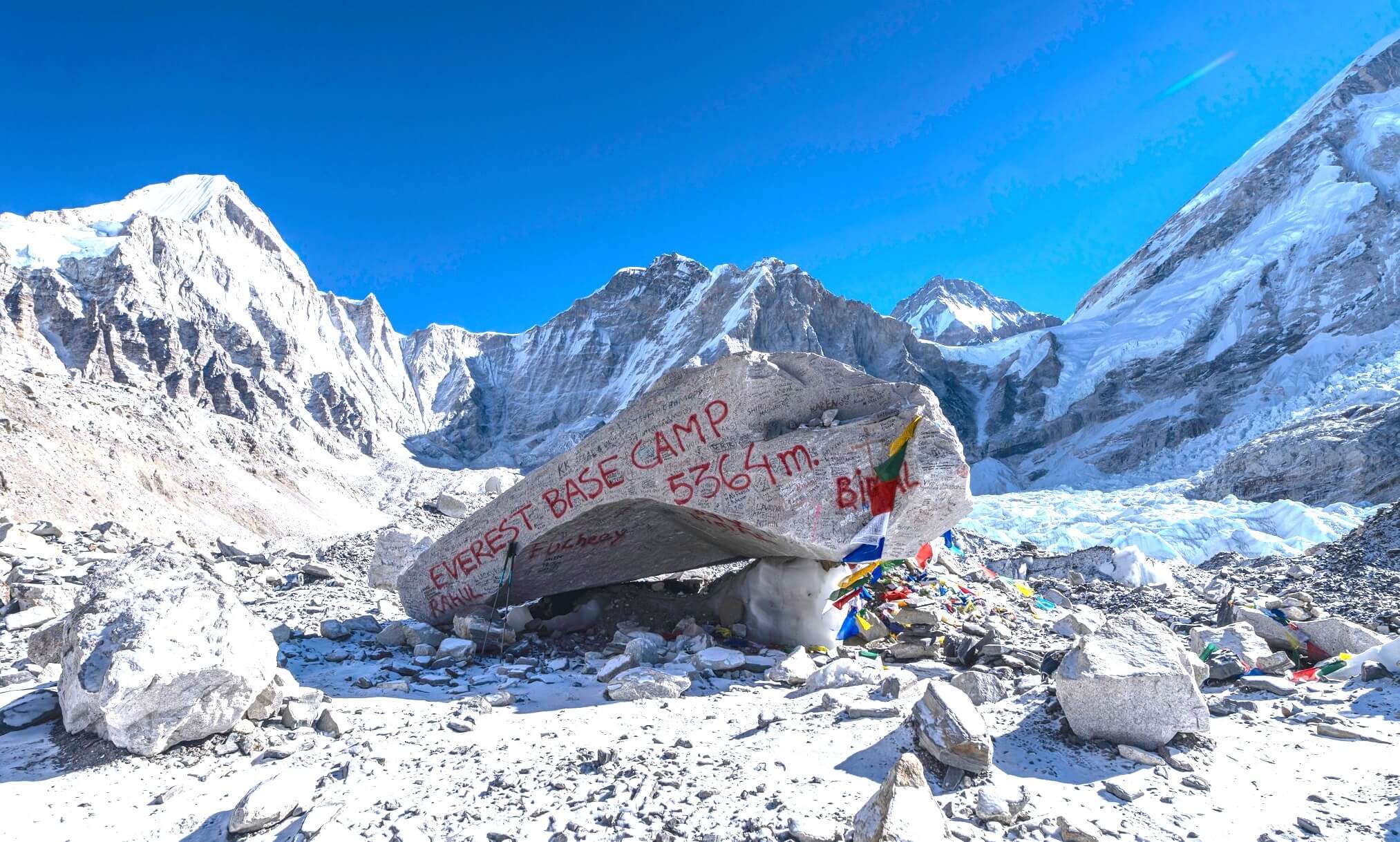
Overview of the 12 Days Everest Base Camp Trek
The 12 Days Everest Base Camp Trek is one of the most famous and rewarding trekking routes in the world. Located in the Khumbu region of Nepal, this trek takes you to the base of the highest mountain on earth, Mount Everest (8,848.86 meters). This carefully designed itinerary provides the perfect balance of challenging walking days and necessary acclimatization to ensure a safe and successful journey to base camp.
Your trip begins with a thrilling scenic flight from Kathmandu to Tenzing-Hillary Airport in Lukla. From there, you will walk through the stunning Sagarmatha National Park, a UNESCO World Heritage site. Along the trail, you will cross high suspension bridges draped with colorful prayer flags, walk alongside the Dudh Koshi River, and pass through traditional Sherpa villages like Namche Bazaar, Tengboche, and Dingboche.
This package provides a comprehensive trekking experience. You will witness incredible views of Himalayan giants, including Mount Everest, Lhotse, Nuptse, and Ama Dablam. You will also experience the rich Buddhist culture of the Sherpa people by visiting ancient monasteries and interacting with locals at traditional tea houses along the route.
Why Choose This 12-Day Itinerary?
When planning a high-altitude trek, pacing is the most important factor for success. We have structured this 12-day itinerary specifically to maximize safety and enjoyment for international tourists.
- Proper Acclimatization: This itinerary includes two mandatory acclimatization days—one in Namche Bazaar (3,440m) and one in Dingboche (4,410m). This allows your body to adjust to the decreasing oxygen levels and significantly reduces the risk of Acute Mountain Sickness (AMS).
- Kala Patthar Sunrise: While Everest Base Camp is the main goal, you cannot actually see the peak of Mount Everest from base camp. This itinerary includes an early morning hike to Kala Patthar (5,545m), which offers the absolute best panoramic views of Mount Everest during sunrise.
- Logistical Support: Navigating permits, domestic flights, and tea house bookings in the Everest region can be complicated. We handle all logistics, including your Khumbu Pasang Lhamu Rural Municipality Permit and Sagarmatha National Park Entry Permit, so you can focus entirely on the trek.
Brief Itinerary
- Day 1: Fly to Lukla (2,860m) and trek to Phakding (2,610m)
- Day 2: Trek from Phakding to Namche Bazaar (3,440m)
- Day 3: Acclimatization day in Namche Bazaar
- Day 4: Trek from Namche Bazaar to Tengboche (3,860m)
- Day 5: Trek from Tengboche to Dingboche (4,410m)
- Day 6: Acclimatization day in Dingboche
- Day 7: Trek from Dingboche to Lobuche (4,940m)
- Day 8: Trek from Lobuche to Gorak Shep (5,164m) and hike to Everest Base Camp (5,364m)
- Day 9: Hike to Kala Patthar (5,545m) and trek down to Pheriche (4,371m)
- Day 10: Trek from Pheriche to Namche Bazaar (3,440m)
- Day 11: Trek from Namche Bazaar to Lukla (2,860m)
- Day 12: Fly from Lukla back to Kathmandu (1,400m)
Detailed Day-by-Day Itinerary
Day 1: Fly to Lukla and trek to Phakding
- Altitude: Lukla (2,860m), Phakding (2,610m)
- Walking Time: 3 to 4 hours
Your journey starts early in the morning with a transfer to the domestic terminal of Kathmandu Airport. You will take a 35-minute scenic flight to Lukla, offering spectacular views of the eastern Himalayas. Upon landing in Lukla, you will meet your trekking crew. After organizing your bags, you will start your first day of walking. The trail descends gently towards the Dudh Koshi River, passing through small farming villages. It is a relatively easy and short walk to Phakding, allowing you to warm up your legs for the days ahead. You will spend the night in a comfortable tea house in Phakding.
Day 2: Trek from Phakding to Namche Bazaar
- Altitude: Namche Bazaar (3,440m)
- Walking Time: 6 to 7 hours
After breakfast, you will follow the trail along the Dudh Koshi River, crossing several suspension bridges. You will reach the village of Monjo, which is the official entrance to Sagarmatha National Park. Here, your guide will register your permits. After entering the park, you will drop down to the river, cross the famous high Hillary Suspension Bridge, and begin a steep, challenging climb up to Namche Bazaar. If the weather is clear, you will get your first glimpse of Mount Everest through the trees. Namche Bazaar is the largest Sherpa town in the region and serves as the main trading hub.
Day 3: Acclimatization Day in Namche Bazaar
- Altitude: 3,440m
- Walking Time: 3 to 4 hours (side trip)
To prevent altitude sickness, you will spend a second night in Namche Bazaar. However, acclimatization means “climb high, sleep low.” After breakfast, you will hike up to the Everest View Hotel (3,880m). This hike offers magnificent panoramic views of Mount Everest, Lhotse, Ama Dablam, and Thamserku. After enjoying a hot drink with the view, you will hike back down to Namche. You can spend the afternoon exploring the town, visiting the Sherpa Culture Museum, or relaxing in one of the local bakeries.
Day 4: Trek from Namche Bazaar to Tengboche
- Altitude: Tengboche (3,860m)
- Walking Time: 5 to 6 hours
The trail from Namche is relatively flat at the beginning, offering great views of the mountains. You will then descend to the river at Phunki Tenga, a small settlement where you will stop for lunch. After lunch, the trail climbs steeply through pine and rhododendron forests until you reach Tengboche. Tengboche is home to the largest and most famous Buddhist monastery in the Khumbu region. You will have time to visit the monastery in the afternoon and observe the monks during their daily prayers. The view of Ama Dablam standing directly behind the monastery is spectacular.
Day 5: Trek from Tengboche to Dingboche
- Altitude: Dingboche (4,410m)
- Walking Time: 5 to 6 hours
You will start with a descent through a birch and rhododendron forest to the village of Debuche. You will cross the Imja River and climb up to Pangboche village, where the tree line ends. From here, the landscape becomes much drier and more rugged. The trail continues steadily uphill, opening up into the Imja Valley. You will follow the valley to reach Dingboche, a picturesque settlement surrounded by stone walls built to protect crops from the cold wind.
Day 6: Acclimatization Day in Dingboche
- Altitude: 4,410m
- Walking Time: 4 to 5 hours (side trip)
This is your second mandatory acclimatization day. You will hike up Nagarjun Hill (approx. 5,100m), located just above Dingboche. The climb is steep and challenging due to the altitude, but it is excellent preparation for base camp. From the top, you will be rewarded with incredible views of Makalu, Lhotse, and the entire Imja Valley. You will then return to Dingboche for lunch and rest for the remainder of the day.
Day 7: Trek from Dingboche to Lobuche
- Altitude: Lobuche (4,940m)
- Walking Time: 5 to 6 hours
The trail climbs out of Dingboche and traverses a wide, grassy plateau. The walking is relatively easy until you reach Thukla, where you will stop for a quick rest. From Thukla, you will face a steep, strenuous climb up the terminal moraine of the Khumbu Glacier. At the top of this climb, you will reach the Thukla Pass memorial site, where hundreds of stone monuments have been built to honor climbers who lost their lives on Everest. From the memorial, the trail flattens out as you walk along the glacier to the small settlement of Lobuche.
Day 8: Trek from Lobuche to Gorak Shep and hike to Everest Base Camp
- Altitude: Gorak Shep (5,164m), EBC (5,364m)
- Walking Time: 7 to 8 hours
This is the most important day of the trek. You will start early and walk alongside the rough, rocky terrain of the Khumbu Glacier to Gorak Shep. After checking into your tea house and having an early lunch, you will leave your heavy bags behind and hike towards Everest Base Camp. The trail over the glacier is uneven and constantly changing. Upon reaching base camp, you will have time to celebrate, take photographs, and view the infamous Khumbu Icefall. During the spring climbing season, the camp is filled with colorful tents. You will then walk back to Gorak Shep to sleep.
Day 9: Hike to Kala Patthar and trek down to Pheriche
- Altitude: Kala Patthar (5,545m), Pheriche (4,371m)
- Walking Time: 7 to 8 hours
You will wake up before dawn to climb Kala Patthar. This is a very cold and steep hike, but reaching the summit at sunrise makes it completely worthwhile. This is the highest point of your trek, offering an unobstructed, 360-degree view of Mount Everest, Nuptse, and Pumori glowing in the morning light. After taking photos, you will descend back to Gorak Shep for breakfast. Afterward, you will pack your bags and begin the long descent, passing through Lobuche and Thukla before arriving in the lower altitude village of Pheriche for the night.
Day 10: Trek from Pheriche to Namche Bazaar
- Altitude: Namche Bazaar (3,440m)
- Walking Time: 6 to 7 hours
The return journey is much faster as you are losing altitude, making it easier to breathe. You will retrace your steps, walking down through Pangboche and Tengboche. The environment changes quickly from the barren alpine desert back to green forests. You will cross the river at Phunki Tenga and make the final climb back up to Namche Bazaar, where you can enjoy a hot shower and celebrate your successful trek with a nice meal.
Day 11: Trek from Namche Bazaar to Lukla
- Altitude: Lukla (2,860m)
- Walking Time: 6 to 7 hours
This is your final day of walking. You will descend steeply from Namche Bazaar back to the Hillary Suspension Bridge. You will walk out of Sagarmatha National Park at Monjo and follow the Dudh Koshi River back through Phakding. The final hour involves a slight uphill climb back into Lukla. Once in Lukla, you will say goodbye to your porters and enjoy your last evening in the Khumbu region.
Day 12: Fly from Lukla to Kathmandu
- Altitude: Kathmandu (1,400m)
- Travel Time: 35-minute flight
You will board an early morning flight from Lukla back to Kathmandu. Upon arrival at the domestic airport, you will be transferred to your hotel. You have the rest of the day free to rest, do some souvenir shopping in Thamel, or explore the cultural sites of the Kathmandu Valley.
Package Inclusions and Exclusions
What is Included?
- Domestic round-trip flights (Kathmandu – Lukla – Kathmandu) including airport taxes.
- All necessary trekking permits (Sagarmatha National Park Permit and Khumbu Pasang Lhamu Rural Municipality Permit).
- Experienced, English-speaking trekking guide.
- Porters to carry your heavy luggage (usually one porter for two trekkers).
- Accommodation in standard tea houses during the trek.
- Staff costs, including their food, accommodation, salary, and insurance.
- First aid medical kit carried by your guide.
What is Excluded?
- International flights and Nepal entry visa fees.
- Accommodation and meals in Kathmandu.
- Meals during the trek (Breakfast, Lunch, Dinner).
- Personal expenses (Wi-Fi, battery charging, hot showers, drinking water).
- Trekking equipment (sleeping bags, down jackets).
- Comprehensive travel and medical insurance (must cover helicopter evacuation at high altitude).
- Tips for guides and porters.
Best Time to Trek to Everest Base Camp
The weather in the Himalayas is unpredictable, but choosing the right season provides the best chance for clear skies and safe trails.
- Spring (March to May): This is the most popular time to trek. The weather is stable, the days are relatively warm, and the rhododendron forests are in full bloom. You will also see many expedition teams at base camp preparing to summit Everest.
- Autumn (September to November): This is the second-best trekking season. The monsoon rains have cleared the dust from the air, resulting in incredibly clear mountain views. The temperatures are cooler than in spring, especially at night, but the stable weather makes it highly recommended.
- Winter and Monsoon: Trekking during the winter (December to February) is extremely cold, and many tea houses close due to heavy snow. The monsoon season (June to August) brings heavy rain, leeches, muddy trails, and frequent flight cancellations to Lukla. We do not recommend these seasons.
Essential Packing List
Packing correctly is vital. You need to keep your gear lightweight but warm.
- Clothing: Moisture-wicking base layers, fleece jackets, a high-quality down jacket, waterproof shell jacket and pants, trekking trousers, and warm thermal underwear.
- Footwear: Broken-in, waterproof trekking boots, plenty of thick merino wool socks, and comfortable camp shoes (like sandals or light sneakers) for the tea houses.
- Head and Hands: Sun hat, woolen beanie, polarized sunglasses, lightweight gloves, and heavy waterproof gloves.
- Gear: A 30-40 liter daypack, a reliable sleeping bag (rated to -15°C or lower), trekking poles, headlamp with extra batteries, and a reusable water bottle.
- Medical: Water purification tablets, basic first aid (blister plasters, painkillers, stomach medicine), and high-altitude medication (consult your doctor before traveling).
Frequently Asked Questions (FAQs)
1. How difficult is the Everest Base Camp Trek?
The trek is considered moderately difficult. You do not need any technical climbing skills or ropes. It is a long, multi-day hike. The main challenge is the high altitude and walking for 5 to 8 hours daily over uneven terrain. Good cardiovascular fitness and stamina are required.
2. What is the food and accommodation like on the trail?
You will sleep in “tea houses,” which are basic mountain lodges. Rooms usually have two twin beds with thin mattresses. Toilets are often shared. For food, tea houses offer a wide menu including Dal Bhat (rice and lentils), noodles, pasta, potatoes, soups, and eggs. Meat is best avoided at higher altitudes for hygiene reasons.
3. Is drinking water safe?
Bottled water gets very expensive as you go higher and creates plastic waste. We highly recommend bringing a reusable bottle and using water purification tablets or a filter system with the tap water available at the tea houses.
4. What happens if my Lukla flight is delayed?
Flights to and from Lukla are strictly dependent on clear weather and visibility. Delays or cancellations are common. We always recommend adding one or two buffer days to your travel schedule in Kathmandu before your international flight home to account for any domestic flight delays.
Book Your 12 Days Everest Base Camp Trek Today
Prepare for the adventure of a lifetime. If you are ready to book your Everest Base Camp trek or if you have any questions regarding the itinerary, permits, or gear, please contact us.
E Nepal Tours & travel Private Limited
- Location: Kapan, Durgga Mandir, Kathmandu, Nepal
- WhatsApp: +977 9802372456
- Email: tours@enepaltravel.com